World Post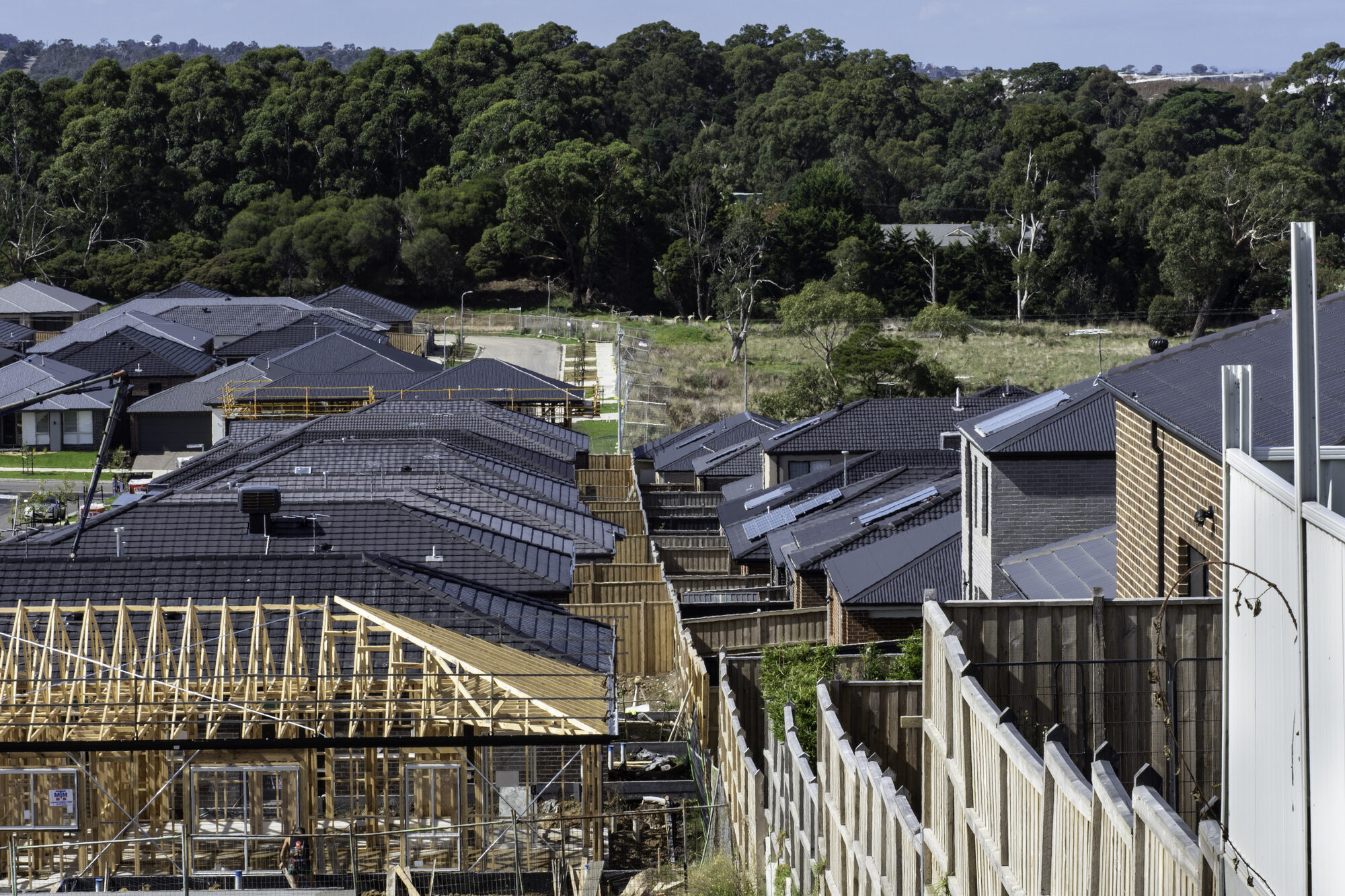
Australia needs to match first-home buyer incentives and other housing assistance with more home building, as the nation's housing affordability deteriorates to its lowest level ever, the property industry warns. The Urban Development Institute of Australia (UDIA) has called on governments to make a raft of changes to home building nationwide in response to new research revealing the dire state of the housing market.
The realestate.com.au Housing Affordability Report 2026 found that a median-income Australian household earning approximately $125,000 could afford just 12% of homes sold during the last financial year. This is the lowest proportion on record and dramatically below the 43% it could afford five years ago, with home ownership becoming almost unobtainable for lower-income Australians. A household earning $76,000 could afford only 2% of homes, while mortgage repayments on a median-priced home now consume 35.5% of average household income—the highest proportion since 1989.
Home buyers face constraints from higher interest rates, greater living costs, and housing prices at or near record levels despite recent declines. Australia's property industry urges more home building support. Picture: Getty Australian home prices fell for a fifth consecutive month in August, with national home prices declining 0.2% over the month and now 2.7% below their March 2026 peak. Despite the recent falls, prices remain 1.8% higher than a year ago and 27.5% higher than five years ago, though annual growth is moderating sharply.
UDIA national president Oscar Stanley said Australia cannot solve its affordability crisis by helping more buyers compete for the same limited number of homes. ‘A household earning $125,000 can afford only one in eight homes, while lower-income Australians have been almost completely locked out,’ he said. ‘Helping Australians overcome the deposit hurdle is worthwhile, but demand assistance without additional supply simply moves people forward in the queue while making the queue more expensive.’
The UDIA has called on governments to link every major first-home buyer or demand-side initiative to measurable additional new housing supply, and direct incentives toward purchasing or investing in newly constructed homes. It also wants to accelerate planning, environmental, and utility approvals through binding assessment timeframes, expand investment in enabling infrastructure, and require housing targets to reflect feasibility, infrastructure capacity, and the types of homes households can afford. It also wants to prevent new regulation, taxation, and building standards from being introduced without transparent affordability and supply-impact assessments, and preserve stable investment settings that support rental housing, project presales, and construction finance.
In recent years, state and federal governments have increased housing assistance for first-home buyers and other buyers through grants, stamp duty discounts, and concessions. The federal government has introduced the Help to Buy scheme, expanded the 5% deposit scheme, and controversially overhauled negative gearing and capital gains tax benefits for property investors. The federal government has committed $47 billion to housing since 2022, including $37 billion for housing supply to deliver an estimated 420,000 homes. Federal housing minister Clare O’Neil warned that Australia risks becoming a less equal country where home ownership is beyond reach for many.
The report also revealed that first-home buyers need even longer to save a deposit. An average-income household, saving 20% of their income for a 20% deposit on a median-priced home today, would need to save for six years. The three rate hikes in February, March, and May this year reduced borrowing capacities substantially, making it harder for buyers to purchase a home. ‘This has more than offset the income growth and softening of home prices towards the end of FY26,’ said realestate.com.au senior economist Angus Moore. ‘Without a meaningful increase in housing supply, affordability will remain a significant challenge, particularly for lower-income households.’
Looking ahead, affordability may improve marginally if home prices continue to soften, but it is unlikely to be a turning point for many buyers.
Source: realestate.com.au